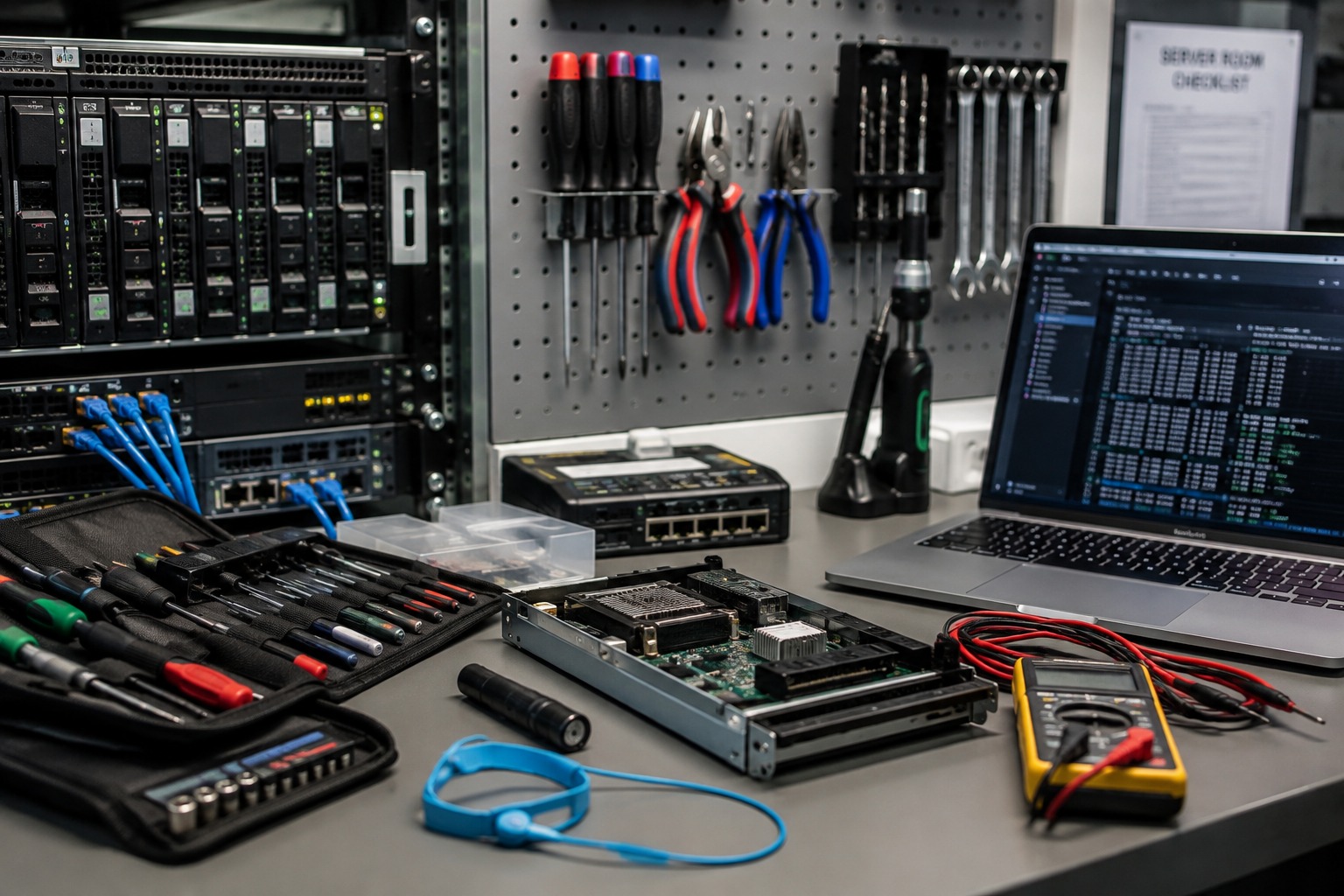
Most limited companies need to buy equipment to carry out their work. This includes laptops and PCs, office furniture, and specialist tools.
These costs are normally tax-deductible as long as there’s a genuine business reason for buying them.
Some purchases are treated as normal day-to-day costs (known as ‘revenue expenses’), whereas equipment which will be used for several years may be treated as a company asset instead and dealt with via capital allowances.
Both types of expenses can qualify for tax relief. The difference mainly lies in how the purchase is treated in your company’s accounts and Corporation Tax return.
What equipment can you claim?
What you can claim for will largely depend on the type of work your company does.
If, like many of our clients, you’re an IT contractor, you’re bound to invest in computer equipment of some sort. If you’re an engineer, you might need specialist testing equipment, while a photographer could need cameras, lenses and lighting.
General office equipment can also qualify, including:
- Computers and laptops.
- Monitors.
- Printers and scanners.
- Desks and office chairs.
- Keyboards, docking stations and other computer equipment.
- Tools and equipment used for your particular trade.
There are no rules which dictate how much you can spend on equipment. If you need a powerful server, or specialist equipment to do your work, your company can pay for something suitable.
Of course, as with all other types of expenses, you must be able to demonstrate a genuine business case for the purchase.
Everyday expenses or capital expenditure?
Any smaller purchases and regular running costs are generally recorded as normal ‘revenue’ business expenses.
Equipment that will be useful to the company for a longer period, such as a computer, machinery, or an expensive piece of specialist equipment, is usually treated as a capital expenditure and treated differently in your accounts via a system of capital allowances.
Most small companies can use the Annual Investment Allowance (AIA), which provides 100% tax relief on up to £1 million of qualifying plant and machinery each year.
If your company buys new equipment, and claims the AIA, it can normally receive tax relief on the full cost during that accounting period.
There are other capital allowances too, and your accountant will apply whichever is relevant when preparing your company accounts.
Computers and home office equipment
Computers are among the most common equipment purchases for contractors and other small, limited companies.
If you need a new laptop or desktop computer for your work, the company can normally buy it. The same applies to monitors, keyboards, printers, office furniture and other equipment you need to work effectively.
This also applies if you work from home.
For example, if you’ve been working from the kitchen table but decide you need a proper desk, office chair and second monitor, your company can normally provide these if they’re needed for your work.
The fact that the equipment is kept at home doesn’t make it a personal expense.
There are separate rules for household running costs such as heating, electricity and broadband.
For more information, read our guide to working from home expenses for limited companies.
What about personal use?
Company equipment should be provided because you need it for work.
That doesn’t necessarily mean you can never use your company laptop for anything personal. Occasional private use is unlikely to be an issue where the equipment was genuinely provided for business purposes.
It’s different if the company buys something which is mainly for your personal use.
For example, buying a computer because you need it for client work is very different from putting a family gaming computer through the company simply because you occasionally answer work emails on it.
Where there’s substantial private use, a benefit-in-kind charge may also need to be considered.
Buying equipment personally and claiming it back
From an accounting perspective, the cleanest approach is always for the company to pay for equipment directly from its business bank account.
In reality, directors frequently use their personal cards for smaller day-to-day purchases. Provided you retain the receipt or invoice and the item is a genuine business requirement, the cost can normally be reclaimed from the company.
If you’re investing in higher-value items, it is preferable to arrange for the invoice to be issued in the company’s name and settled from the business account.
Software and subscriptions
Most limited companies use several software packages. FreeAgent, Microsoft 365, cloud storage, project management tools, plus any specialist software you need for client work.
Monthly and annual subscriptions are treated as regular business expenses and claimed in the same way as other running costs.
Monthly and annual subscriptions are regular business expenses, so your company claims the cost in the same way as its other running costs.
Things are different if you buy software outright or pay for a licence that covers several years. These purchases are subject to different accounting rules, which your accountant will address when preparing your company accounts.
Can you claim for AI tools?
AI tools such as ChatGPT and Claude are now widely used by contractors and small businesses.
If you’re paying for a subscription to help with your work, the company can normally claim the cost. This could be for coding, research, data analysis, writing or other tasks you carry out for clients or the business itself.
As with any software subscription, there needs to be a genuine business use. A subscription you mainly use personally shouldn’t be put through the company simply because you occasionally use it for work.
What if you already own the equipment?
You might already have a laptop, monitor or other equipment when you set up your limited company.
You can’t simply reimburse yourself for whatever you originally paid for it.
Instead, you can sell personally owned equipment to the company at its current market value. So, if you bought a laptop for £2,000 two years ago, you wouldn’t transfer it to the company today at the original £2,000 purchase price if it’s now worth considerably less.
For anything valuable, speak to your accountant before transferring ownership to the company.
Keep records of your purchases
Keep the invoices and receipts for equipment, software and subscriptions with your other company records.
If you pay for something yourself and claim the money back, keep the original receipt and a record of the reimbursement.
For unusual or specialist equipment, make a note of what you bought it for and how you use it in the business. You then have a clear record of why the company incurred the cost.
Need more advice? Get in touch.
If you’re unsure whether your company should pay for a particular piece of equipment or software, especially if it’s expensive or you’ll also use it personally, get in touch with the Integro team.
We can explain what you can claim and make sure it’s dealt with correctly in the accounts.
Click here to get in touch with the Integro team.
You can also read our complete guide to limited company expenses for more information on the wide range of costs your company can claim.